
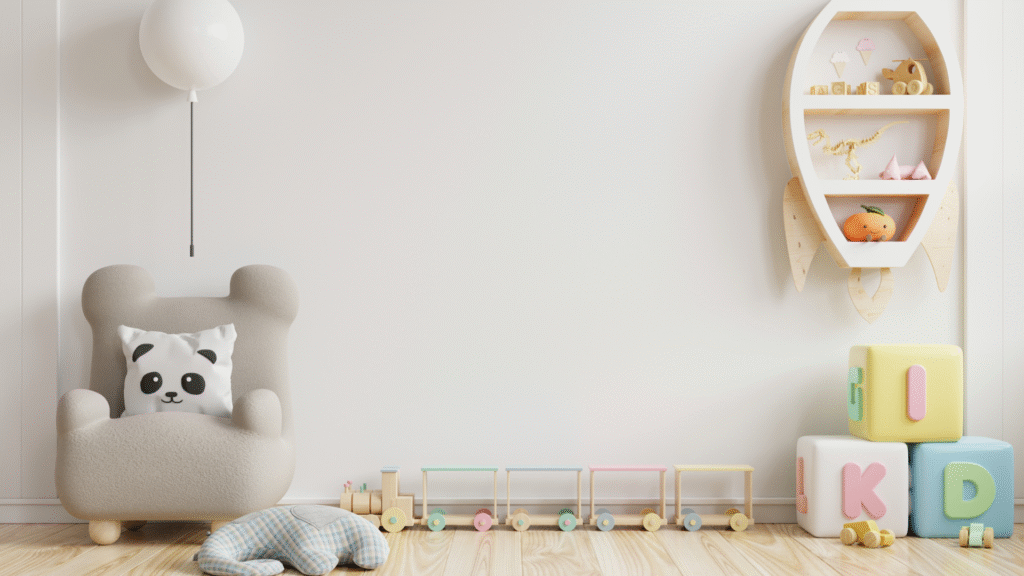
Designing a nursery on a budget can seem daunting, yet it offers a wonderful opportunity for creativity and resourcefulness. One can create a beautiful, functional nursery without sacrificing style or breaking the bank by prioritising essential items and using clever, cost-effective strategies. With a bit of planning, it is possible to transform any space into a nurturing environment for a new arrival.
Many parents are surprised to discover how affordable it can be to furnish a nursery with second-hand treasures, DIY projects, and smart shopping choices. Simple changes, like repainting existing furniture or incorporating hand-me-downs, can yield significant savings. Additionally, utilising multi-functional items can help maximise both space and budget.
This blog post will explore practical tips and ideas for creating a charming nursery that meets all necessities without overspending. From selecting budget-friendly furniture to clever décor hacks, readers will find inspired solutions to make their nursery both lovely and economical.
Planning a Cost-Effective Nursery Design
Creating a nursery that is both functional and aesthetically pleasing can be achieved on a budget. By focusing on essential items, establishing a practical budget, and gathering inspiration through a mood board, parents can design a welcoming space for their baby without overspending.
Determining Essential Nursery Items
Identifying essential items is crucial to staying within budget. The following key pieces should be prioritised:
- Crib: A safe sleeping space is the top priority. Consider a convertible crib that can adapt as the baby grows.
- Changing Table: A dedicated surface for diaper changes helps to keep necessary items organised. Opt for a sturdy dresser with a changing pad on top for dual functionality.
- Storage Solutions: Use bins and baskets to store clothes, toys, and essentials. Affordable shelving options can also help keep the nursery tidy.
Focusing on these essentials will ensure the nursery is functional without unnecessary expenses.
Setting a Practical Budget
Establishing a practical budget is vital for a cost-effective nursery design. Start by listing all potential expenses, categorised into essentials and optional items. Setting maximum prices for each category can help prioritise purchases. Consider allocating funds as follows:
- Furniture (50%): Direct spending here on major items like the crib and changing table.
- Decor and Accessories (30%): This includes items like wall art, bedding, and rugs.
- Extras (20%): Small items, such as toys or decorative pieces, should fit within this portion.
Regularly reviewing this budget helps maintain financial control while shopping.
Creating a Mood Board for Inspiration
A mood board serves as a visual guide that helps to conceptualise the nursery’s design. It can include images of furniture, colour swatches, fabric samples, and décor ideas. To create an effective mood board:
- Choose a Colour Palette: Select 2-4 colours that complement one another. Soft pastels or neutral tones often work well for nursery themes.
- Gather Images: Use magazines, Pinterest, or design blogs to find inspiring ideas. Focus on layouts that appeal to the desired aesthetic.
- Digital or Physical Board: Assemble the images digitally using tools like Canva or Pinterest, or create a physical board with printed images and fabric samples.
This visual representation will guide purchasing decisions and maintain a cohesive design.
Choosing Affordable Nursery Furniture and Gear
Creating a nursery on a budget involves careful selection of furniture and gear. Prioritising safety and functionality while seeking cost-effective options is essential for a welcoming space.
Selecting a Safe and Budget-Friendly Crib
When choosing a crib, safety should always come first. Look for cribs that meet UK safety standards, such as those certified by the British Standard BS EN 716.
Affordable options often include wooden cribs or metal cribs, which provide durability. Consider a convertible crib that transforms into a toddler bed when the baby grows, extending its lifespan.
Check local marketplaces or online listings for gently used cribs. Many parents sell high-quality furniture at a fraction of the original price. Ensure to inspect it for wear and adherence to safety guidelines.
Cost-Saving Alternatives: Moses Basket and Rocker
Moses baskets and rockers present versatile alternatives for budget-conscious parents. These options are compact and often easy to move around the home.
A Moses basket is great for newborns, allowing parents to keep their baby close during the early months. These can often be found at lower prices and may come with accessories like a removable lining for easy cleaning.
Rockers, designed for soothing, offer a comfortable space for feeding or napping. Many styles are available that fit various budgets. Second-hand shops or online communities can provide affordable finds, ensuring safety by checking for stability and durability.
Budget Seating: Glider Versus Rocker
Selecting seating for the nursery involves deciding between a glider and a rocker. Both provide comfort, but they serve different purposes in a nursery.
Gliders offer smoother motion, often with a more contemporary design. Many models include padded arms and back support. Prices for gliders can vary, so it’s beneficial to shop sales or consider pre-owned options.
Rockers have a more traditional appeal and can be found at lower prices. They may not be as smooth as gliders, but they can still be quite comfortable. Parents should sit and test any potential choices to ensure adequate support for long feeding sessions.
Decorating and Organising a Nursery on a Budget
Creating an inviting nursery does not need to be costly. With clever choices in decor and organisation, a functional and aesthetically pleasing space can be achieved without overspending.
Budget Nursery Decor Ideas
Decorating a nursery on a budget requires creativity and resourcefulness. Opt for DIY projects such as painted canvases or upcycled furniture. For example, an old dresser can be transformed into a changing table with some paint and new knobs.
Wall decals are an affordable way to add visual interest. These can be easily applied and removed. Additionally, using gender-neutral motifs allows for versatility as siblings arrive.
Rugs can add warmth and colour. Look for budget-friendly options at local retailers or during sales. Thrift stores often offer unique finds that can serve as focal points or soft play areas.
Maximising Storage with Affordable Solutions
Storage is crucial in a nursery to create a clutter-free environment. Affordable solutions can include using storage baskets for toys and essentials. These can be purchased in bulk and placed strategically around the room to maintain easy access.
Vertical space can be utilised by installing shelves above changing tables or cribs. Floating shelves are particularly useful for displaying books or decorative items. Invest in a wardrobe with built-in compartments to store clothing efficiently.
Consider multi-functional furniture, such as ottomans that double as storage units. This approach maximises space while keeping items easily accessible.
Utilising Natural Light for a Spacious Feel
Natural light can significantly enhance the feel of a nursery. Opt for light-coloured curtains to allow sunlight to filter in while providing privacy. Avoid heavy drapes that can darken the space.
Reflective surfaces, such as mirrors, can also help bounce light around the room. Positioning mirrors strategically can make the nursery feel larger than it is.
They can be fitted without cords for added child safety and combined with louvred sections if adjustable daylight is desired. Considering these practical benefits alongside reflective surfaces will help create a calm, comfortable nursery environment.
Also, keeping the window area clear of clutter allows for maximum light exposure. Use light, airy colours for walls and furnishings to create a brighter atmosphere conducive to relaxation and play.
Modern Nursery Ideas for Different Spaces
Creating a modern nursery that fits various spaces involves thoughtful design choices focused on functionality and aesthetics. Considerations for a gender-neutral environment and the incorporation of a nursery into an existing home office can both yield attractive and practical results.
Designing a Gender Neutral Nursery
A gender-neutral nursery provides a versatile foundation for a child’s development. Using a palette of muted tones like soft greens, yellows, or greys can create a serene atmosphere.
Key design elements:
- Furniture: Opt for pieces that can adapt over time, such as a convertible crib and a changing table that can serve as a dresser later.
- Textiles: Choose patterns that are not gender-specific, like geometric shapes or nature-inspired designs. This allows for easy updates as the child’s preferences evolve.
Incorporate accents through easily interchangeable items like bedding and wall art. This flexibility makes it simple to refresh the space without extensive renovations.
Fitting a Nursery into a Home Office
Combining a nursery with a home office requires smart layout choices. The use of multifunctional furniture maximises space while ensuring comfort and practicality.
Suggestions for blending spaces:
- Desk placement: Position the desk away from the crib to minimise distractions during work hours.
- Storage solutions: Use shelves to store both office supplies and nursery items, creating a cohesive look.
Consider room dividers or shelving units to create a designated nursery area within the office. This maintains a separation that can help in keeping work and play distinct, while still allowing effective use of the available space.