
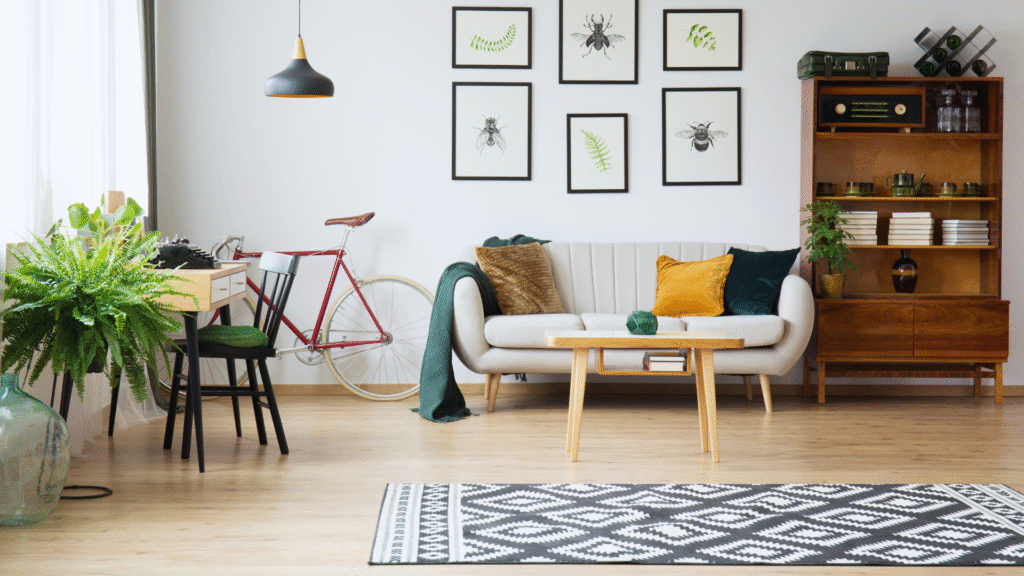
Designing a space that reflects personality involves understanding what truly matters to the individual and translating that into physical elements. The key is to prioritise colours, textures, and objects that hold personal significance and create a comfortable, authentic environment.
A space should tell a story, showing who someone is without needing words. By carefully choosing items that resonate emotionally or visually, any room becomes a reflection of character rather than just a functional area.
Ultimately, this process demands thoughtful selection and arrangement, balancing personal taste with practicality to create a space that feels genuinely theirs.
Understanding Your Unique Style
Designing a space that genuinely reflects personality starts with recognising specific likes and dislikes. Consider how different elements influence the overall feel. This involves identifying preferred aesthetics, popular styles that resonate, and the impact of colours, textures, and materials.
Discovering Your Aesthetic Preferences
Individuals should begin by analysing what consistently attracts them in their environment. This could include favourite shapes, patterns, or whether they prefer clutter-free or maximalist spaces. Keeping a visual journal or mood board with images of interiors, nature, or art can clarify these preferences.
It helps to consider daily habits and needs within the home. Someone who enjoys solitude might lean toward cosy, inviting settings, while those who host frequently may value flexible, communal arrangements. Recognising these behavioural patterns guides personalising the interior design effectively.
Exploring Popular Interior Design Styles
Familiarity with common interior design styles aids in pinpointing what aligns with personality. Styles like Scandinavian, characterised by clean lines and functional furniture, appeal to those valuing simplicity. Industrial design, which uses raw materials like exposed brick and metal, suits individuals drawn to rugged textures.
Others may prefer the warmth and elegance of Mid-Century Modern or the eclectic nature of Bohemian styles. It is useful to sample colours, furniture types, and decorative elements from various styles to see what feels authentic.
Reflecting on Colours, Textures, and Materials
Colours greatly influence mood and perception in creating a home. Bold colours may indicate confidence or creativity, whereas neutrals suggest a preference for calm and order. Textures add depth; smooth surfaces communicate sleekness, while textured fabrics and woods introduce comfort and warmth.
Choice of materials affects both aesthetics and durability. Natural materials like wood and stone often convey authenticity and timelessness. Synthetic alternatives can offer practicality but may lack the character that some interiors demand. Selecting combinations thoughtfully ensures the space echoes personal values and lifestyle.
Incorporating Personal Touches
Adding personal elements to a space makes it uniquely reflective of the occupant’s tastes and experiences. This involves choosing items with emotional value, selecting meaningful collections, and picking furniture and accessories that showcase identity clearly.
Curating Meaningful Memorabilia
Memorabilia should be selected for its emotional connection rather than quantity. Photographs from important events, travel souvenirs, or heirlooms can be arranged in focused displays like shadow boxes or shelves.
Grouping these items by theme or memory helps create visual coherence. For example, a wall-mounted shelf with framed childhood pictures alongside holiday trinkets tells a clear story and adds depth to the space.
Avoid clutter by rotating items over time, keeping the display fresh and relevant to the occupant’s evolving narrative. Prioritising quality and significance ensures memorabilia enhance the home’s atmosphere.
Displaying Personal Collections and Artwork
Collections and artwork offer a way to express interests and personality through objects and visuals. Whether it’s a set of vintage books, ceramics, or original paintings, these pieces define a personal space clearly.
The key is intentional placement to draw attention. Group artworks at eye level and use lighting to highlight key pieces. Collections can be arranged on dedicated shelving, maintaining organisation alongside aesthetic appeal.
Displaying art bought from local artists or pieces made personally adds authenticity. It reflects values and tastes, reinforcing a thoughtful and deliberate approach to designing a home.
Using Furniture and Accessories to Express Identity
Furniture and accessories have strong potential to convey character. Statement pieces, such as a custom-made armchair or a well-loved writing desk, reveal personal style and priorities.
Materials and colours also communicate identity. Someone who prefers natural textures might choose wooden furniture with simple lines, while bold patterns and bright cushions project confidence.
Accessories like bespoke lamps, rugs, or handcrafted ceramics further personalise the space. Consistency in style and purpose among furniture and accessories helps the space feel coherent and genuinely reflective of its owner.
Practical Steps for Personalised Spaces
Designing a space that truly reflects personality requires deliberate choices. This involves collecting visual inspiration, ensuring the space serves daily needs, and adjusting layouts to fit both style and function.
Creating Mood Boards for Inspiration
A mood board is an effective tool for gathering ideas visually. It helps to compile colours, textures, patterns, and images that resonate with an individual’s taste.
Using physical boards or digital apps like Pinterest, he or she can arrange photos of furniture, fabric swatches, and colour samples. This visual organisation clarifies preferences and reveals recurring themes.
Mood boards prevent random buying by focusing on a cohesive style. They also act as references throughout the design process, making it easier to communicate ideas to designers or family members.
Balancing Function with Personality
A personalised space must balance aesthetics with practical use. Prioritising function means considering how the space will be used daily.
For example, incorporating storage that complements style keeps rooms organised without sacrificing personality. Seating should be comfortable and suit the room’s activities, not just look good.
Choosing materials is vital. Durable finishes with character—like textured fabrics or handcrafted wood—combine longevity with unique style. This balance ensures a home remains both attractive and usable.
Customising Layouts and Organisation
Adjusting layouts enhances comfort while reflecting individuality. He or she should measure the room and plan furniture placement to maximise flow and natural light.
Organisational systems tailored to hobbies or routines make the space practical. Labelled shelves or personalised storage solutions help maintain order and showcase belongings.
Modular furniture or multifunctional pieces allow flexibility, adapting the room to changing needs. This approach supports both lifestyle and personal expression over time.
Room-by-Room Ideas for Expression
Creating a home that mirrors personality requires deliberate choices in each space. Attention to texture, colour, and personal objects transforms rooms from generic to distinctive.
Personalising Living Areas
Living rooms shape first impressions and daily moods. Incorporating favourite colours through cushions, rugs, or curtains establishes a unique tone. Displaying artwork or photos with personal meaning strengthens emotional connection.
Consider furniture placement to encourage interaction or relaxation, reflecting whether the space serves as a social hub or retreat. Lighting is critical; warm-toned lamps create intimacy, while natural light highlights the room’s features. Use shelves or coffee tables to showcase collectables or books that reveal interests.
Designing Bedrooms That Reflect Your Character
Bedrooms blend comfort with self-expression. Choose bedding patterns and colours aligned with personal taste to influence the atmosphere instantly. Customise walls with framed prints, mirrors, or wall decals that resonate with identity.
Storage solutions should marry function and style, such as open shelving for favourite objects or minimalist wardrobes for a cleaner look. Incorporating plants or scented candles can add sensory layers reflecting personality. The layout should support restful sleep while inviting personal rituals like reading or meditation.
Adding Flair to Kitchens and Dining Spaces
Kitchens and dining areas invite creativity and hospitality. Select tiles, cabinets, or backsplashes that echo style preferences, whether bold or understated. Open shelving displays treasured ceramics, cookbooks, or heirloom utensils, making the space feel lived-in.
Dining tables and chairs contribute significantly; mixing vintage pieces with modern styles adds contrast and interest. Use lighting fixtures such as pendant lamps to create an atmosphere during meals. Small touches like patterned napkins or personalised tableware subtly enhance the room’s character.