
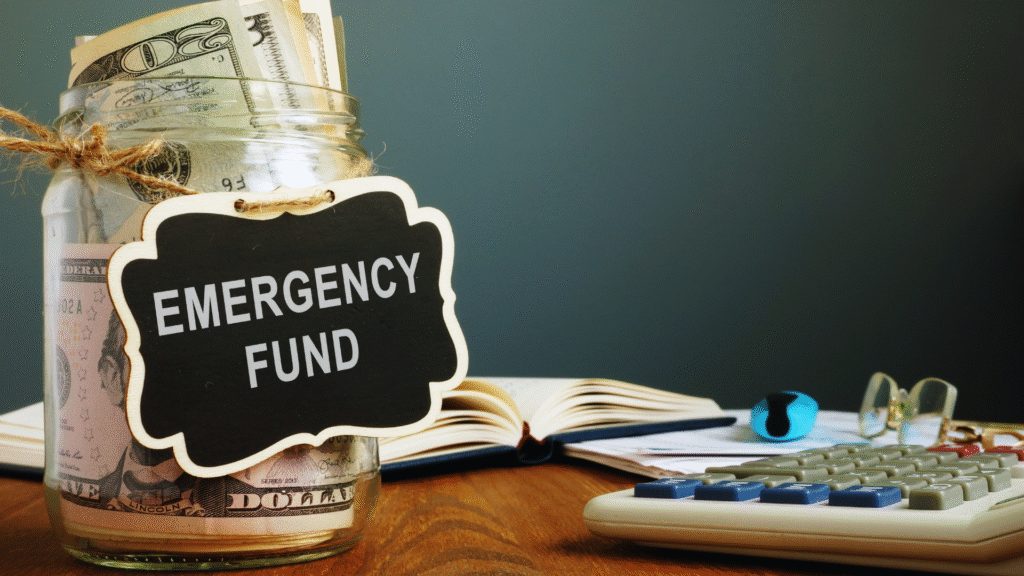
Unexpected expenses can happen at any time, from car repairs to medical bills. Building a savings buffer for emergencies is essential to avoid financial strain during these moments. A savings buffer is simply a dedicated amount of money set aside to cover urgent costs, providing stability when regular income is interrupted.
Many people struggle because they don’t know how much to save or where to start. By creating a clear savings goal and gradually setting money aside, anyone can develop a reliable financial cushion. This buffer reduces stress and helps maintain control over finances even in uncertain times.
Understanding the purpose and benefits of an emergency fund encourages smarter money decisions. Saving a small amount consistently grows into security that protects against unforeseen events without relying on credit or loans.
Why Building a Savings Buffer for Emergencies Is Essential
A savings buffer helps manage sudden financial demands without disrupting regular expenses or relying on credit. This approach supports long-term financial stability and reduces the risk of hardship when unexpected events occur.
Protecting Against Unexpected Expenses
Emergency savings act as a safeguard for costs that arise without warning. These may include urgent car repairs, medical bills, or home maintenance problems that cannot be postponed.
Without this buffer, individuals might resort to high-interest loans or credit cards, increasing their financial burden. An emergency fund covering 3 to 6 months’ worth of essential expenses is recommended to handle such situations effectively.
Having accessible funds prevents disruption to daily life and helps avoid debt, ensuring that unexpected expenses do not lead to financial decline.
Reducing Financial Stress and Improving Wellbeing
Financial stress is a common consequence of inadequate emergency savings. The uncertainty of not having funds available can cause anxiety and negatively affect mental health and focus.
With a dedicated emergency fund, individuals experience greater peace of mind knowing they have resources to rely on in crises. This improved financial well-being impacts overall quality of life.
Planning for emergencies reduces pressure during challenging times, allowing individuals to address issues with clear-headedness rather than fear or panic.
Safeguarding Job Security and Income
Job loss or reduced income is a frequent trigger for financial emergencies. A savings buffer acts as a financial cushion during periods of unemployment or underemployment.
It enables covering essential bills such as rent, utilities, and food without immediate reliance on finding new income sources. This reduces pressure to accept unsuitable or low-paying work prematurely.
Maintaining an emergency fund supports maintaining living standards and personal dignity while searching for stable employment.
Providing Financial Stability and Security
An established emergency fund contributes to overall financial security. It creates a foundation that protects against both short-term disruptions and long-term vulnerabilities.
Financial stability from a savings buffer improves creditworthiness by reducing the need for borrowing. Lenders often view emergency savings as a sign of responsible money management.
The buffer acts as a proactive tool, ensuring individuals can sustain their financial goals and obligations despite unforeseen changes.
Calculating the Right Emergency Savings Buffer
Determining the proper size of an emergency savings buffer requires a clear understanding of essential expenses and personal financial needs. Different factors influence how much should be saved, and practical tools can help tailor the emergency fund accordingly.
Assessing Essential Living Expenses
The first step in calculating an emergency buffer is identifying essential living expenses. These include rent or mortgage payments, utility bills, groceries, transportation, insurance, and minimum debt repayments.
It is important to focus only on the mandatory costs necessary to maintain basic living standards. Non-essential spending, such as entertainment or dining out, should be excluded.
Accurately documenting monthly essential expenses provides a baseline for how much needs to be covered during a financial disruption. This figure forms the foundation of a financial cushion tailored to one’s lifestyle.
Setting a Realistic Savings Target
Once essential expenses are known, deciding the target size of the emergency fund is next. A common recommendation is to save between 3 to 6 months’ worth of these costs.
This range offers flexibility depending on job security, income stability, and risk tolerance. Those with more volatile income or dependents may aim for 6 months or more, while individuals with stable employment might settle closer to 3 months.
Setting a clear, achievable goal helps maintain discipline in building emergency savings. Tracking progress periodically ensures it aligns with changing circumstances.
Factoring in Personal Circumstances
Personal factors play a crucial role in defining the appropriate emergency savings buffer. Considerations include family size, health issues, job stability, and existing financial obligations like loans or mortgages.
People with dependents usually require a larger fund to cover unexpected costs. Those in freelance or gig economies face less predictable income, increasing the need for a more substantial reserve.
Other elements, such as upcoming expenses or access to additional support, also influence the size of the financial cushion. Reviewing these factors ensures the emergency savings buffer matches real-world needs.
Using an Emergency Fund Calculator
An emergency fund calculator is a useful tool for precisely estimating the required savings buffer. It typically asks for monthly essential expenses and personal details like income stability or dependents.
Calculators automate the process, providing a recommended savings target based on input data. They help to visualise how adjustments in months covered or changing expenses affect the emergency fund size.
Many calculators also offer tips for gradually building the savings. Using one can guide decision-making and offer a customised financial plan to secure a reliable emergency savings buffer.
Smart Strategies for Building and Maintaining Your Emergency Fund
Building a reliable financial buffer requires clear planning and consistent effort. Effective budgeting, systematic savings, and timely restoration of funds are essential to maintain the security of an emergency fund over time.
Effective Budgeting Techniques
A precise budget lays the foundation for building an emergency fund. It requires tracking all income and expenses to identify areas where spending can be reduced or adjusted. Prioritising needs over wants helps free up money that can be redirected into savings.
Using the 50/30/20 rule can help: allocate 50% of income to essentials, 30% to discretionary spending, and 20% to savings and debt repayment. This rule encourages commitment to saving a fixed portion regularly.
Regularly reviewing the budget ensures it reflects changes in income or expenses, helping to keep savings goals realistic and attainable. Recording progress also maintains motivation by showing how incremental contributions accumulate over time.
Automating Your Savings Contributions
Automating transfers to a dedicated emergency savings account removes the risk of skipping deposits. Setting up standing orders or direct debits ensures a fixed amount moves into savings every pay cycle, which builds the fund without active effort.
Automation makes saving habitual and less dependent on fluctuating motivation or available cash. This method also creates discipline, as the money is allocated before discretionary spending is possible.
Choosing a high-interest or easy-access savings account maximises the fund’s growth while keeping funds available for urgent use. Combining automation with budget reviews ensures contributions are sustainable and adjusted as necessary.
Replenishing Your Emergency Buffer After Use
After using the emergency fund, prompt replenishment is critical to restore financial security. Treating the fund like a necessary expense encourages rebuilding it quickly, avoiding future gaps in coverage.
A clear repayment plan helps manage this process. For example, temporarily reducing discretionary expenses or allocating bonuses specifically towards replenishing the fund can speed recovery.
Tracking withdrawals and replenishments in a simple log or app maintains transparency and accountability. This visibility helps prevent repeated depletion and ensures that the emergency fund remains a reliable safety net.
Where to Keep Your Emergency Savings for Maximum Benefit
Emergency savings should be both easily accessible and protected from unnecessary risk. The goal is to keep funds available instantly while earning some return and avoiding actions that could undermine financial security.
Choosing the Right Savings Accounts
A high-yield savings account is often best for emergency funds. These accounts typically offer better interest rates than standard savings accounts, helping savings grow modestly over time.
It is important to select an account with no or low fees to avoid eroding the balance. Many online banks provide competitive rates and easy access via transfers or mobile apps. The combination of safety, liquidity, and interest makes these accounts preferred for holding emergency money.
Balancing Accessibility With Security
Emergency savings need to be both liquid and secure. Cash in savings accounts ensures immediate access when needed. However, savings should not be kept in riskier investments that could lose value during market downturns.
Some may consider keeping a portion of savings in instant access accounts and another portion in short-term fixed deposits that mature quickly. This approach balances the ability to access funds with slightly higher returns, without jeopardising financial security.
Avoiding High-Interest Debt by Using Savings
A well-maintained emergency fund helps avoid high-interest borrowing, such as credit card debt or payday loans. These debt options have interest rates that quickly add to financial strain.
By having ready cash, individuals can cover unexpected expenses without turning to costly credit. This preservation of savings protects long-term financial stability, reducing the risk of slipping into debt due to emergencies.